
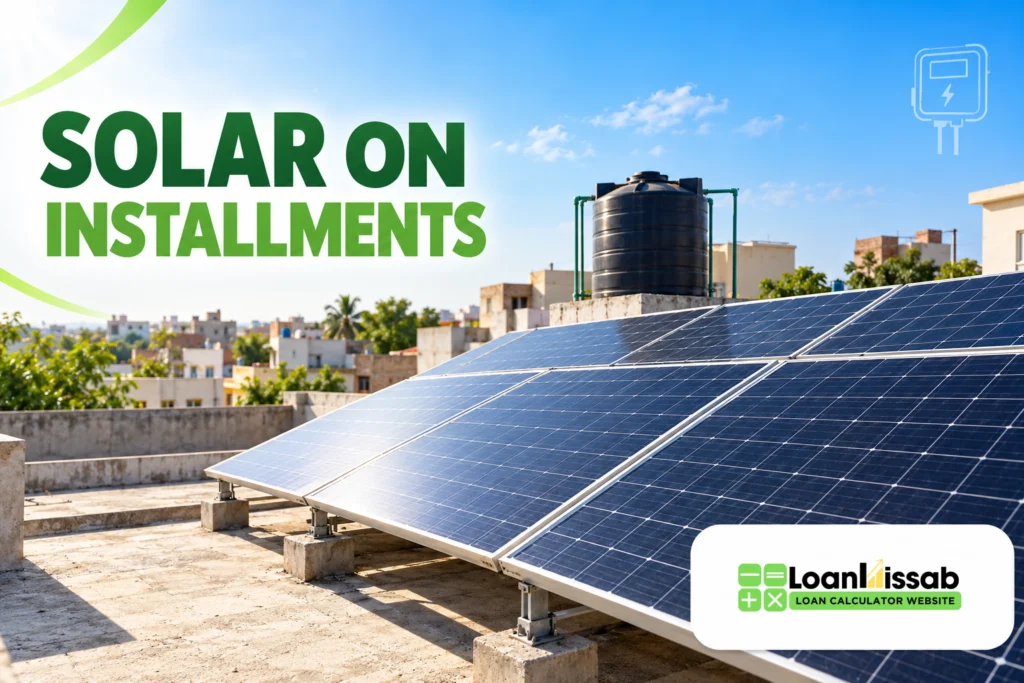
With electricity costing many homes Rs 40 to Rs 55 a unit, solar is still one of the best ways to cut a monthly bill in Pakistan. But the rules changed this year, and the way you size and pay for a system should change too.
What changed: net metering became net billing
In February 2026, NEPRA replaced net metering with net billing for new solar users (Profit). In simple words:
- Before: each unit you sent to the grid cancelled out a unit you used, and extra units were bought at around Rs 26.
- Now: units you export are bought at about Rs 11, while units you take from the grid are charged at your normal tariff (Dawn).
- Existing users who signed under the old rules keep their arrangement until their agreement ends, but increasing the size of the system loses those benefits (Profit).
- Your solar size can now go up to your sanctioned load, not one and a half times it.
The lesson: solar now pays most when you use the power yourself during the day, not when you sell it.
What a 5 kW system costs
A 5 kW hybrid system (panels, inverter and installation) is listed at around Rs 8.9 lakh by verified installers in October 2026 (The Green OH price guide). Batteries, structure height and brand can push this up or down. Always get a site survey and two or three quotes.
A 5 kW system typically produces around 600 units a month on average across the year, more in summer and less in winter and on cloudy days.
How much can it save each month?
Here is a realistic example for a family using a lot of power during the day:
| Units a month | Value | |
|---|---|---|
| Solar power used in the house (at about Rs 50 a unit saved) | 400 | Rs 20,000 |
| Extra units exported to the grid (at about Rs 11) | 225 | Rs 2,475 |
| Total monthly benefit | about Rs 22,500 |
Paid in cash, a Rs 8.9 lakh system would pay for itself in roughly three and a half years in this example. If most of your use is at night, the saving is much smaller unless you add batteries.
Buying solar on installments
Several banks offer solar financing, mostly linked to KIBOR (SolarCitizen bank comparison):
| Bank | Product | Rate guide | Tenure | Down payment |
|---|---|---|---|---|
| Bank Alfalah | Alfalah Home Solar Finance | KIBOR + 3% salaried, about 15% to 17% | 3 to 10 years | 10% to 20% |
| HBL | Financing Scheme for Renewable Energy | about 19% to 23% | up to 7 years for homes | 10% to 20% |
| Meezan Bank | Meezan Solar (Islamic) | quote based | 3 to 5 years | about 15% to 20% |
| JS Bank | Smart Roshni | about 18% to 23% | 3 to 7 years | 15% to 20% |
The old SBP scheme that offered solar loans at about 6% is closed to new borrowers, so be careful of anyone still advertising it.
Example installment: on the Rs 8.9 lakh system with 20% down (Rs 1.78 lakh), you would finance about Rs 7.12 lakh. At around 15.3%:
- 5 years: about Rs 17,100 a month
- 3 years: about Rs 24,800 a month
Over five years, the installment is lower than the Rs 22,500 monthly benefit in our example, so the system pays its own installment from day one and the savings are all yours after the loan ends. Over three years you would top up a little each month but finish sooner.
Work out your own installment with our personal loan calculator, or see bank specific figures in the Bank Alfalah personal loan calculator and HBL personal loan calculator.
Tips to get the most from solar under net billing
- Size the system to your daytime use, not to sell power. Extra units now earn only about Rs 11.
- Run heavy loads in the day: washing machine, iron, water pump and AC in the afternoon.
- Consider a hybrid inverter so you can add batteries later for evening use.
- Buy tier one panels and a known inverter brand with a written warranty.
- Check your DISCO’s process and fees before signing with an installer.
If you are deciding between solar and paying off an existing loan, read should you pay off your loan early and compare the rates.
This guide is for general information and is not financial advice. System prices and bank rates change often; confirm with your installer and bank. Figures checked on 21 October 2026.
Related calculators and guides